Credit Freeze vs. Fraud Alert: Which One Do You Need?
A credit freeze blocks new accounts until you lift it; a fraud alert tells lenders to verify your identity. Both are free. Here is how they differ and when to use each.

How credit scores and reports work, and how to improve yours.
A credit freeze blocks new accounts until you lift it; a fraud alert tells lenders to verify your identity. Both are free. Here is how they differ and when to use each.
No credit history? Secured cards, credit-builder loans and becoming an authorized user can give you a credit score in about six months. Here is how each option works.
Late payments, collections and most other negative items can stay on your credit report for seven years; some bankruptcies for ten. Here is the full timeline and what you can do about it.
Hard inquiries can lower your score slightly; soft inquiries do not. Learn which is which, how long hard inquiries last and how to shop for loans without hurting your credit.
Credit utilization makes up a big part of your score. Learn how it is calculated, what the 30% rule really means and seven ways to lower your utilization fast.
Check your three credit reports for free, spot common errors and dispute them yourself with the bureaus and lenders. Step-by-step, with timelines and tips.
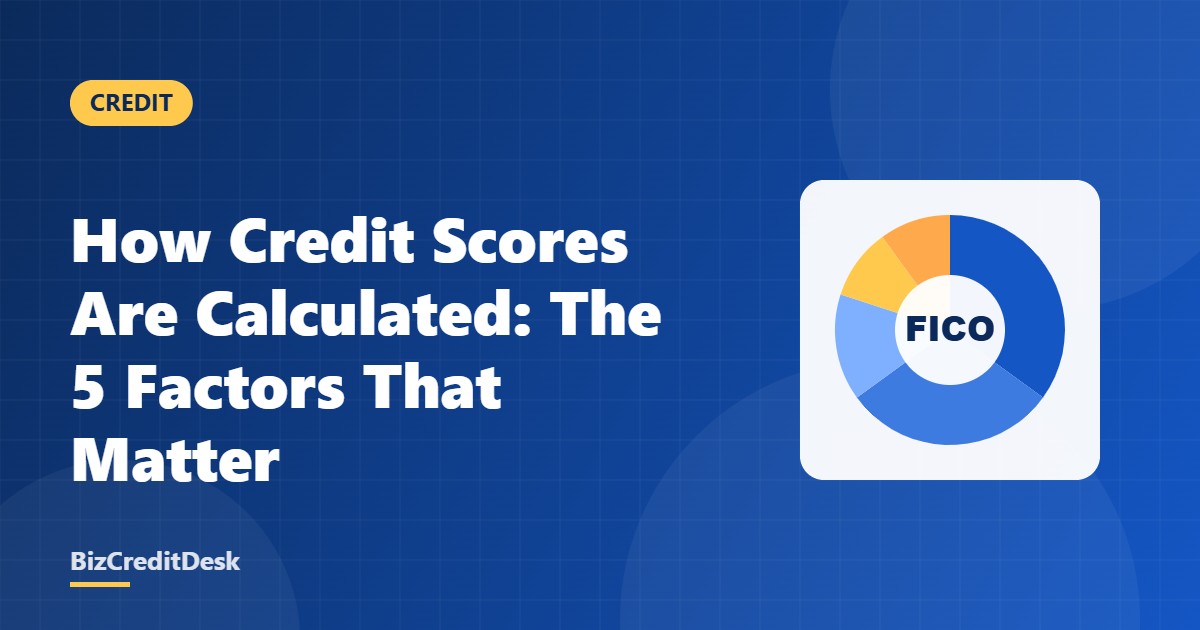
Payment history and amounts owed make up nearly two-thirds of your FICO score. Learn the five factors, how VantageScore differs and how to raise your score.
Debt consolidation usually causes a small, temporary dip in your credit score, then often helps. Here is what happens at each stage and how to protect your credit.
There is no single minimum credit score for a personal loan. Learn how FICO ranges affect approval and rates, what lenders look at, and how to improve your odds.